
June 17, 2026 · admin_veb4
Visa Run Alternatives To Bali VOA Extension 2027
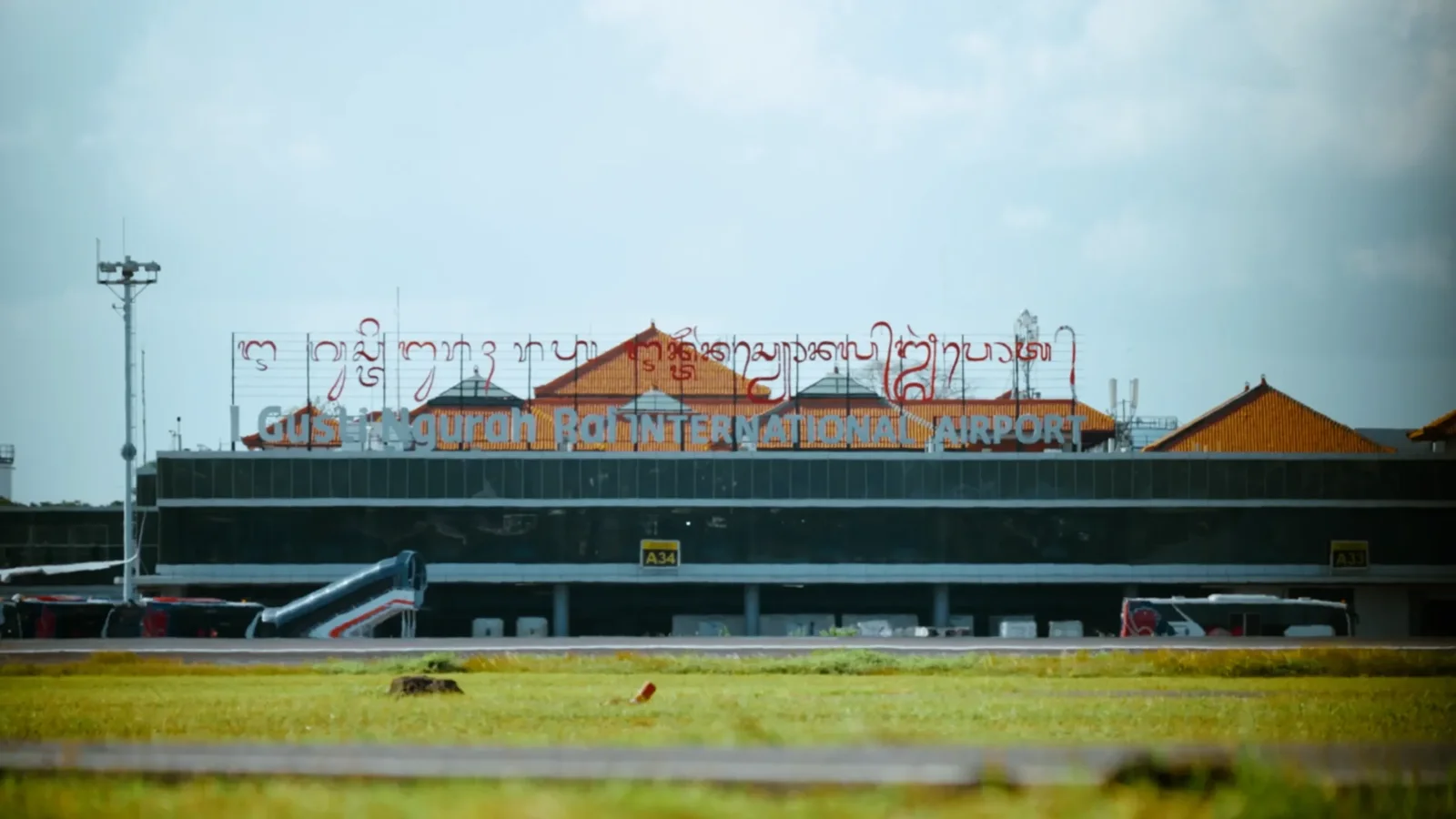
By 2027, most visitors staying over 30 days find it cheaper and easier to extend or upgrade their Indonesian stay permit than to fly out. A Bali visa run to Singapore or Kuala Lumpur typically adds at least USD 200–300 in flights and hotels, while a local Visa on Arrival extension starts from Rp 500.000 as of August 2026.
Does a 2027 Bali visa run still beat extending VOA inside Indonesia?
For many travellers in 2027, the maths no longer favours constant visa runs. The Visa on Arrival, now classed as the Visit Visa B1, gives 30 days and can be extended one time for another 30 days, for a total of 60 days. The official extension fee remains Rp 500.000 as of August 2026, same as the initial VoA cost.
A typical return flight from Bali to Singapore or Kuala Lumpur for a short Bali visa run to Singapore for new VOA or a Bali visa run to Kuala Lumpur often runs Rp 1.500.000–3.000.000 in low season, and more around Christmas–New Year. Add one or two hotel nights and airport transport, and the overall spend can easily exceed Rp 3.000.000–4.000.000 per trip as of August 2026.
By comparison, using a Bali eVOA extension agency or local office to handle the paperwork, plus your own transport to immigration for fingerprints and photo, is usually faster and significantly cheaper than leaving Indonesia and re‑entering just to reset your 30 days.
What are the main Bali visa run alternatives to extending VOA in 2027?
In 2027, there are three broad strategies instead of repetitive visa runs: extend the existing Visa on Arrival, upgrade to a longer visit visa, or choose a long-stay category such as a second home stay permit. Extending the existing VoA/B1 is usually the simplest option if the total stay will be under 60 days.
Travellers planning 60–90 days often compare a single VoA extension against starting with a different visa type that does not require leaving Indonesia. Guides like the Bali 90 day stay options beyond VOA in 2027 overview can help map that decision. For much longer stays, some guests now actively compare Bali second home visa vs VOA paths, especially if travelling with family or storing higher-value assets in Indonesia.
These choices are also being shaped by discussions around Bali carrying capacity and visa policy, and the introduction of the Bali visa on arrival and tourist tax framework. Authorities increasingly encourage orderly, planned stays over frequent in‑and‑out travel that adds pressure to I Gusti Ngurah Rai International Airport.
How do costs compare: visa run to Singapore/KL vs Bali VoA extension packages?
Cost comparison is one of the strongest arguments against unnecessary visa runs. A Bali visa run to Singapore for new VOA or a short Bali visa run to Kuala Lumpur may look attractive because of cheap promotional fares, but total trip cost matters. Return tickets, airport transfers, meals, and a night in a transit hotel often outweigh the visa fee savings.
By contrast, a Bali VoA extension package combines the government fee with service and document handling. As of August 2026, the official extension fee is Rp 500.000, while service fees vary by provider and by how many trips to immigration are included. Some travellers insist on a Bali VoA extension custom package with add-ons like premium queueing times, pickup near Sanur, or group handling for families.
Public Bali VoA extension reviews regularly mention the compulsory personal visit for Bali VoA extension fingerprints and photo, required by the June 2025 circular. However, because only one extension is allowed, most visitors accept this single trip rather than pay for repeated international flights. For those ready to organise documents, the local extension route is usually the best value for a two‑month stay.
What practical steps replace visa runs: extension, upgrades, and second home options?
The practical process in 2027 starts with the Indonesia visa on arrival B1 explanation: you get 30 days on entry, and this can be extended once. For stays of 31–60 days, arranging an extension through a Bali VoA extension package is normally sufficient. Many providers now offer drop-off of passports and coordination of your biometric appointment slots.
For those planning to work remotely from Bali, or to visit several times a year, combining the extension with longer-term planning is useful. Resources such as the digital nomad long stay Bali 2027 visa roadmap explain how guests are moving away from pure VoA cycling into more stable visit visas or second home setups.
Families exploring Bali second home visa vs VoA typically look at property commitments, financial requirements, and how school terms line up with visa validity. For these profiles, a one-time upgrade away from VoA may eliminate the need for any Bali visa run alternatives to extending VOA in 2027, because entries and exits can then be scheduled around life plans, not 30‑day cycles.
How do tourist tax, accommodation registration, and fingerprints affect your choice?
By 2027, travellers need to factor more than just visa fees into planning. The growing focus on Bali accommodation registration and visa compliance means that hotels, guesthouses, and villa operators are more actively reporting guest stays. This ties into both security and monitoring of the island’s visitor numbers relative to Bali carrying capacity and visa policy debates.
The separate Bali visa on arrival and tourist tax payments can affect budget but do not usually change the basic choice between extensions and visa runs. What does matter is logistics: for a Bali visa on arrival extension near Sanur, for example, guests need to plan for one to three visits to the relevant immigration office, including the Bali VoA extension fingerprints and photo session required in person.
Digital booking tools, including the Klook Bali visa and entry guide services, now clarify these procedural steps more transparently. This has made the extension route easier to understand compared with arranging same‑day flights and international airport transits, which can be stressful during peak seasons such as July–August or late December.
- Official VoA fee: Rp 500.000 for 30 days, and Rp 500.000 for the extension (as of August 2026).
- Maximum stay on VoA/B1: 60 days total (30 days initial + 30 days extension), after which you must exit Indonesia.
- At least one in-person visit to immigration is required for fingerprints and photo under rules effective since June 2025.
- Typical low-cost return flights Bali–Singapore or Bali–Kuala Lumpur: Rp 1.500.000–3.000.000 in low season (as of August 2026).
- Most agencies require passport validity of 6+ months and proof of onward travel before starting an extension.
- Accommodation details are increasingly requested to align with local registration and visitor data requirements.
- Many visitors now combine a single VoA extension with planning a longer-stay visa for future trips.
Frequently asked questions
is bali visa on arrival extension still 500k idr?
Yes. The official government fee to extend a Visa on Arrival, now classed under the Visit Visa B1 category, is Rp 500.000 for an additional 30 days as of August 2026. Service providers may charge their own handling fees on top, but the state fee payable to immigration remains Rp 500.000 per person.
how much is voa extension in bali?
The core government fee is Rp 500.000 as of August 2026, the same as the initial VoA. Total cost in Bali depends on transport to immigration and any agency service you use. Many visitors budget Rp 1.000.000–1.800.000 in total, depending on distance, service level, and whether express handling is included.
what is included in Bali visa run alternatives to extending VOA in 2027?
Alternatives focus on staying inside Indonesia instead of exiting every 30 days. They typically include a VoA/B1 extension, potential upgrades to longer visit visas, consultation on Bali second home options, guidance on tourist tax, and help scheduling Bali VoA extension fingerprints and photo appointments so international flights are not required.
Is a Bali visa run to Singapore or Kuala Lumpur still recommended in 2027?
A Bali visa run to Singapore or Kuala Lumpur can make sense only if you already plan regional travel or need to reset a different visa type. For simple tourist stays, the cost of flights and hotels usually exceeds a local extension, so most medium-term visitors now extend or upgrade their stay permit within Indonesia instead.
How do reviews help choose a Bali VoA extension package or custom package?
Bali VoA extension reviews are useful for judging communication speed, clarity on required documents, and how smoothly biometric appointments are handled. Travellers comparing a Bali VoA extension package against a Bali VoA extension custom package often rely on recent reviews to assess reliability, timing around public holidays, and support during busy seasons.
For tailored advice on extensions, upgrades, or replacing visa runs with smarter options in 2027, contact the BD desk at Juara Holding Group (part of Juara Holding Group — since 2015) via WhatsApp 6281128590000 or email sales@balipremiumtrip.com, or book our Bali extend visa on arrival service online.
Last updated 1 August 2026
Ready When You Are
Talk To A Bali Visa Specialist Today
Reply within 2 hours, every day of the week. Tell us your nationality, current visa and what you need next — we do the rest.