January 20, 2026 · admin_veb4
Bali 2027 VOA Guide For US Citizens
US citizens in 2027 can enter Bali using Indonesia’s Visa on Arrival (VoA), officially the Visit Visa B1. It gives 30 days initially and can be extended once for another 30 days (maximum 60 days total). The government fee is IDR 500,000 per step (about USD 35) as of August 2026.
How does Bali visa on arrival work for US citizens in 2027?
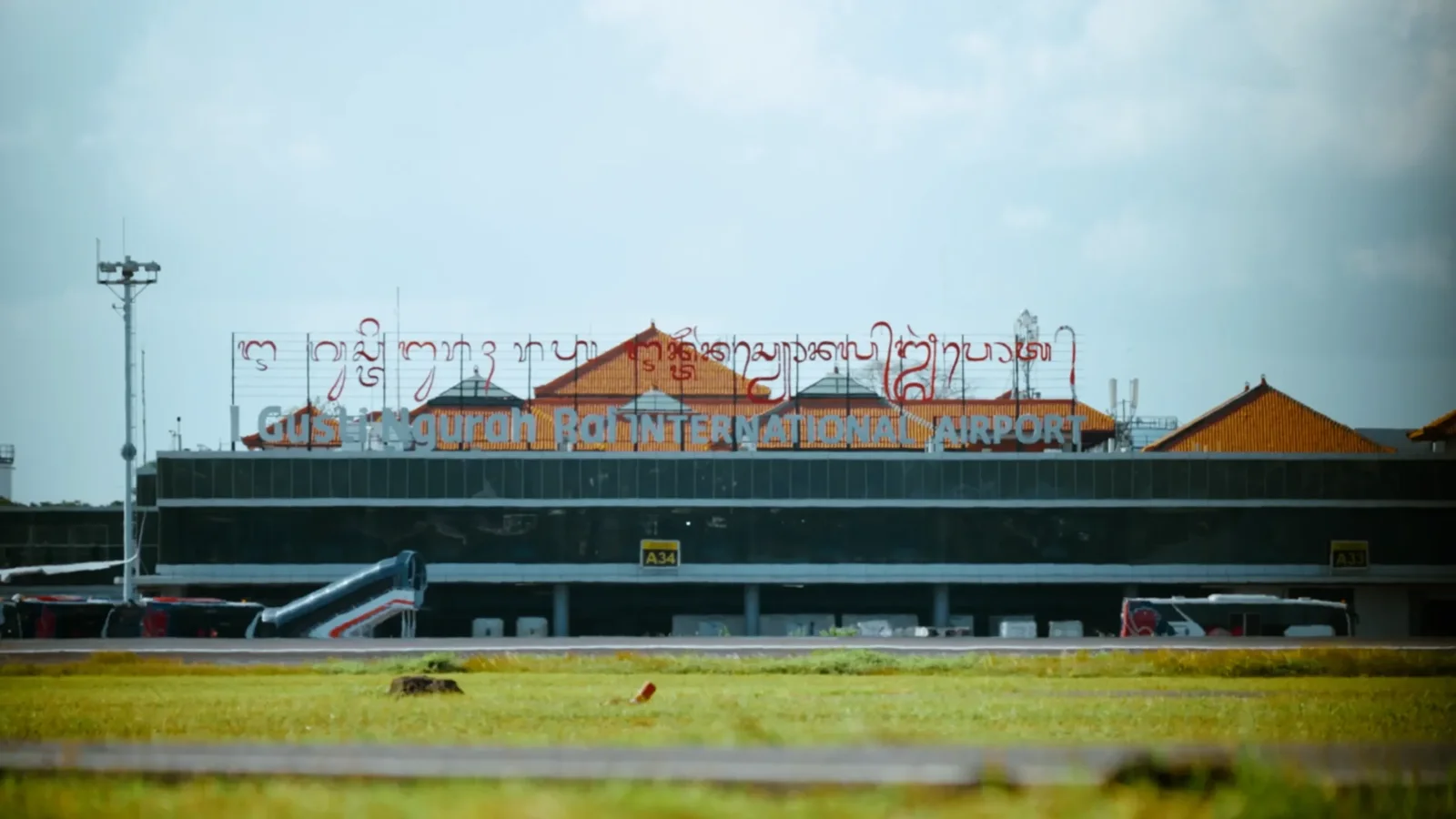
For US passport holders, the Bali visa on arrival for US citizens 2027 guide starts at Bandara I Gusti Ngurah Rai (Bali Airport). VoA is granted on arrival as a Visa Kunjungan Saat Kedatangan Khusus Wisata, legally tied to an Izin Tinggal Kunjungan (ITK). The initial stay permit is up to 30 days, counted from the day of arrival as day one, not zero, according to Indonesian Immigration practice.
As of August 2026, the official VoA fee is IDR 500,000, widely referenced as around USD 35 by sources such as Indonesia.nl and major airline visa guides. Payment is made at the VoA counter before immigration, or you can apply for an electronic e-VoA in advance. Both versions share the same price band and rules and are classified under the Visit Visa B1 for tourism.
Entry must be through an approved immigration checkpoint; for most US tourists this is I Gusti Ngurah Rai International Airport. The VoA is single-entry and cannot be converted into a long-term stay permit. For 2027 planning, US travellers should budget two government payments of IDR 500,000 if staying close to the maximum 60 days.
What are the 2026–2027 new rules on VoA extension that US travellers must follow?
A key change affecting 2027 trips is that, from June 2025, everyone extending a visa must appear in person at the local immigration office. This requirement is based on Circular Letter No. IMI‑417.GR.01.01/2025 and applies to US tourists using VoA or e‑VoA. Agents can still assist, but biometric presence is mandatory.
The visa on arrival can be extended once for 30 days, giving a total of up to 60 days in Indonesia. The government extension fee is also IDR 500,000 (about USD 35) as of August 2026. Processing typically takes 7–10 working days, depending on office workload and public holidays, so US visitors should start the Bali visa on arrival extension process at least 10–14 days before the first 30 days expire.
Many longer-stay visitors now favour applying through an Indonesia-based Bali eVOA extension agency to schedule appointments, handle paperwork, and avoid mistakes that can result in overstay fines. Similar rules apply to other nationalities using VoA, including Bali visa on arrival for EU citizens or Bali visa on arrival for Indian citizens, but this 2027 guide focuses on practical timing and compliance for US travellers.
How will Bali tourist tax 2026 rules and other policy shifts affect US visitors?
Indonesia has steadily added regional tourism contributions, and by 2026 Bali tourist tax 2026 rules are expected to be fully normalised for international arrivals. Typically this is a per-person levy collected digitally or at designated counters, separate from immigration fees. For US travellers, this means budgeting both the tourist levy and the VoA/extension fees.
Policy trends up to August 2026 show a focus on better reporting and community integration. Bali banjar and foreigner reporting practices are being reinforced, with some village-level authorities asking accommodation providers to register foreign guests regularly. For US citizens staying in homestays or long-term rentals, it is wise to ensure your host knows and follows these local reporting expectations.
There is also attention on the future Bali north airport plans and visa impact. If a northern international airport opens beyond 2026, it may become an additional official entry point to obtain VoA. Until then, US tourists should assume the main VoA entry will remain I Gusti Ngurah Rai in the south.
Does Ramadan, location choice, or activities change VoA and extension strategy for US tourists?
While Bali is majority Hindu, national public holidays and Ramadan still influence services. The Bali Ramadan impact on visa extension is mainly logistical: immigration offices may operate shorter hours near nationwide holidays, and some offices outside the main urban centres may be busier or slower. US visitors planning a VoA extension overlapping Ramadan should allow extra buffer days for processing.
Destination choices also matter. For instance, Amed diving visa extension logistics mean that divers staying in Amed need to travel to the nearest functioning immigration office, typically in Singaraja or Denpasar, and make at least one in-person visit. Planning these trips between dive days avoids schedule conflicts.
Kuta budget travellers and visa awareness is another recurring theme. Budget-conscious visitors often stretch stays toward the full 60 days but sometimes miscalculate exit dates. For US backpackers in Kuta, Legian, and Canggu, carefully counting days and keeping digital copies of arrival stamps is essential to avoid overstay fines that can exceed the visa fee.
How do special purposes like pre-wedding and commercial shoots affect VoA use in 2027?
By 2027, Bali is even more popular for destination shoots. However, Bali pre‑wedding photoshoot visa rules and Bali commercial photography visa rules are stricter than most casual travellers expect. VoA and the Visit Visa B1 are designed for tourism only. Commercial gain or organised productions may require different visa categories and location permits.
US couples coming purely for leisure and an informal pre-wedding shoot with a local photographer usually remain under tourism purpose, but larger productions, brand campaigns, or influencer work with contracts can be classed as commercial activities. In such cases, relying solely on VoA could create compliance risks during checks, especially at well-known locations or if drones and large crews are involved.
Similar concerns exist for other nationalities planning shoots, from Bali visa on arrival for Chinese citizens tour groups to Bali visa on arrival for Russian citizens doing long-stay content creation, or Bali visa on arrival for Middle East travellers arranging luxury wedding productions. US organisers should consult a professional before assuming VoA is suitable for paid or sponsored work.
How do US travellers compare with other nationalities and what should they budget for VoA?
In 2027, US citizens share the same VoA fundamentals as many other visa-on-arrival eligible nationalities: up to 30 days plus one 30-day extension. This mirrors the arrangements already familiar to those researching Bali visa on arrival for Australian travellers 2027 or for EU, Indian, Chinese, Russian, and Middle East tourists.
The common question “is visa on arrival bali 35 usd and extension 500k idr?” reflects a widely cited conversion. Officially, both the VoA and its extension are IDR 500,000 each as of August 2026; foreign currency equivalents like USD 35 are approximations only. Exchange rates fluctuate, so US travellers should expect a small variation.
Those wanting faster processing can use an express Bali visa on arrival extension service, which may add agency fees on top of the government tariff. Before departure, US citizens can estimate their total stay cost with tools like the Bali visa on arrival extension cost calculator and then compare that to alternative visa types if planning to stay beyond 60 days.
- Valid US passport with at least 6 months validity and one blank page is mandatory for VoA.
- Initial VoA stay is up to 30 days, extendable once for 30 more days (maximum 60 days total).
- Government fees are IDR 500,000 for VoA and IDR 500,000 for extension as of August 2026.
- Personal appearance at a local immigration office is required for extension after June 2025.
- Plan to start the extension process 10–14 days before the first 30 days expire.
- Tourist taxes and local banjar reporting are separate from national immigration rules.
- Commercial or large-scale photography may need different visas than standard VoA tourism.
Frequently asked questions
is visa on arrival bali 35 usd and extension 500k idr?
The official fee is IDR 500,000 for the VoA and IDR 500,000 for the extension as of August 2026. Many guides convert this to roughly USD 35 per step for easy reference, but that figure is only an estimate and depends on the daily exchange rate used by your bank or payment provider.
Is Bali visa on arrival for US citizens 2027 guide worth it in Bali?
For most US tourists staying up to 60 days, VoA remains the simplest legal route: quick to obtain at I Gusti Ngurah Rai Airport, widely understood by airlines and hotels, and backed by clear Indonesian Immigration rules. It is especially practical for first-time visitors and repeat holidaymakers not planning to work or stay long term.
What is included in Bali visa on arrival for US citizens 2027 guide?
The guide covers entry on a tourism-focused Visit Visa B1 (VoA), stay rights of up to 30 days plus one 30-day extension, indicative government fees, personal appearance rules for extensions, and how issues like Ramadan, tourist taxes, and special activities (such as pre-wedding shoots or diving in Amed) affect your planning.
Can US tourists switch from VoA to another visa while in Bali?
Regulations up to August 2026 treat VoA and its related ITK as short-stay, single-entry permissions. Conversions to long-term visas are limited and depend on national policy at the time. US visitors planning more than 60 days or work-related activities should normally secure an appropriate visa before travelling to Indonesia.
How early should US travellers apply for a VoA extension in Bali?
To avoid overstay, start the extension process at least 10–14 days before your initial 30 days end. This allows time for biometrics and any delays, especially around national holidays or Ramadan. Many US visitors use agencies to manage timing and document preparation, while still appearing personally at the immigration office.
For tailored 2027 visa advice or to organise your VoA or e‑VoA extension, contact the BD desk at Juara Holding Group via WhatsApp 6281128590000 or email sales@balipremiumtrip.com.
Last updated 1 August 2026
Ready When You Are
Talk To A Bali Visa Specialist Today
Reply within 2 hours, every day of the week. Tell us your nationality, current visa and what you need next — we do the rest.