
May 18, 2026 · admin_veb4
The Ultimate 60-Day Bali Itinerary with a VOA Extension
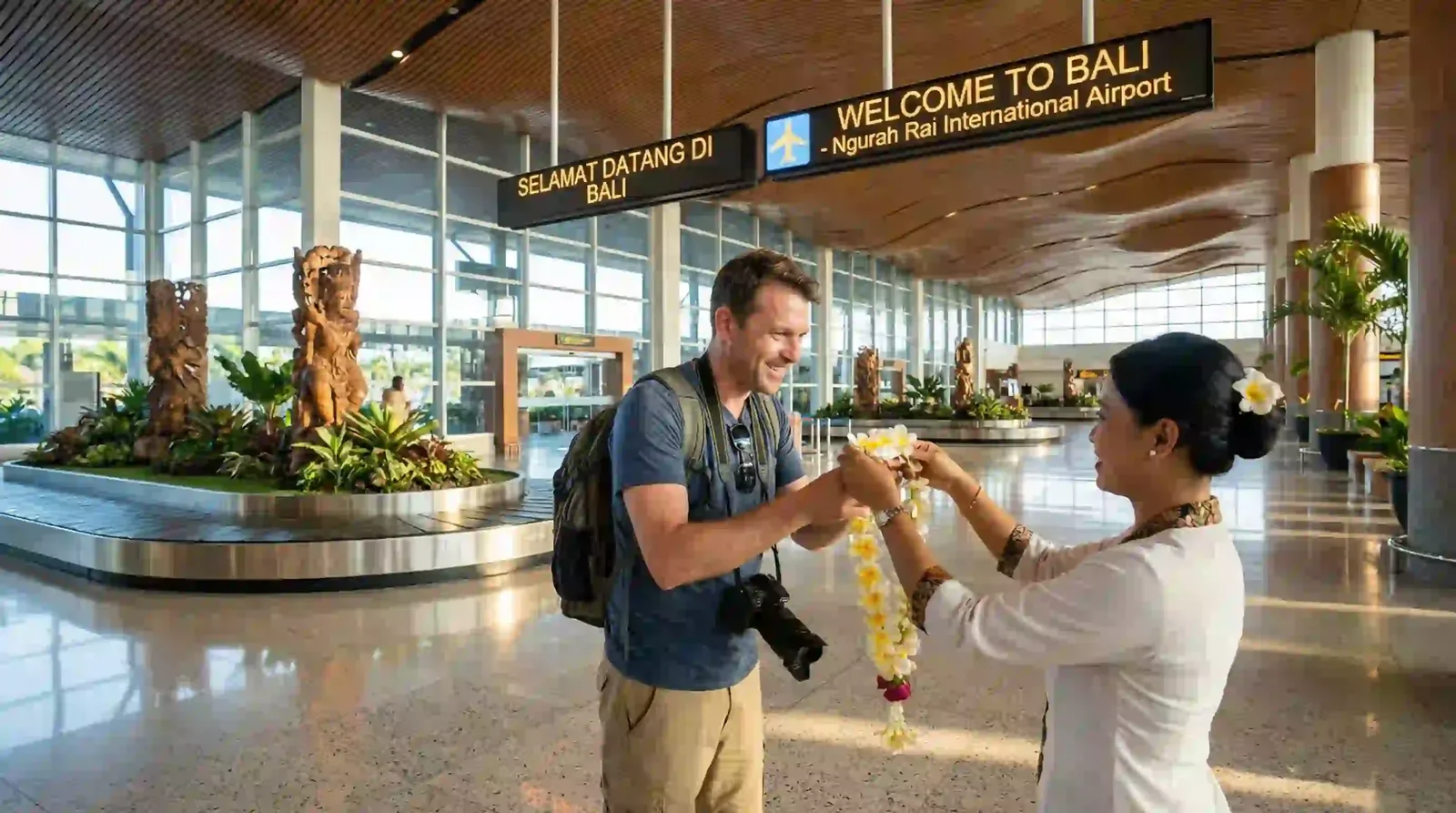
- Explore distinct regions from the southern coasts to the northern highlands.
- Engage in deep cultural experiences beyond surface-level tourism.
- Enjoy a more relaxed pace, avoiding the rush of a shorter trip.
The Ultimate 60-Day Bali Itinerary with a VOA Extension
The air hangs heavy, thick with the scent of clove cigarettes and frangipani blossoms. A distant gamelan orchestra provides a rhythmic, metallic soundtrack to the afternoon heat, a sound that seems to emanate from the very soil. This is the sensory immersion of Bali, an island that reveals its soul not in days, but in weeks. A standard 30-day visa offers a glimpse, a tantalizing preview. But to truly understand the island’s pulse—to move beyond the curated feeds and into its authentic heart—you need more time. You need 60 days. This is not a frantic checklist; it is a blueprint for a slow, deliberate, and luxurious submersion into the Island of the Gods, made seamless by a properly handled visa extension. Forget the whirlwind tour. We are here to inhabit, not just to visit.
Weeks 1-2: Seminyak & Canggu — Coastal Sophistication and The Art of Arrival
Your first two weeks are about acclimatization, but in the most refined way possible. Forget budget hostels; we’re establishing a base of comfort and style. I always advise my clients to book a private pool villa in Seminyak or the quieter, more exclusive corners of Canggu. A property like The Legian Seminyak or a discreet villa rental north of Batu Bolong offers privacy and immediate access to the island’s best dining. Your first week should involve minimal movement. Days are for languidly exploring the boutiques along Jalan Kayu Aya, securing a daybed at Potato Head or the newly refined La Lucciola, and surrendering to the island’s rhythm. The objective here is to decompress. The dining scene is where this region truly asserts its world-class status. A reservation at Sarong is non-negotiable for its masterful take on Southeast Asian flavors. For something more contemporary, I recently had a remarkable meal at Skool Kitchen in Canggu, where every dish is touched by fire. This initial period is also critical for logistics. The 30-day Visa on Arrival you received at Ngurah Rai International Airport (DPS) is your entry ticket, but the clock is ticking. Within your first 7-10 days, you must initiate the process for your voa extension bali. Engaging a professional service like ours removes the entire bureaucratic headache, ensuring your passport is handled securely and the process is completed without you ever needing to visit an immigration office. This single action is the key that unlocks the rest of this expansive 60 day bali itinerary visa extension.
Weeks 3-4: Ubud & The Central Highlands — A Spiritual and Cultural Deep Dive
With your visa extension underway and your body clock synchronized, it’s time to move inland and upward, both geographically and spiritually. The 35-kilometer drive from the coast to Ubud is a journey into another world. The air cools, the pace slows, and the landscape erupts in a thousand shades of green. Here, luxury is defined by tranquility and authenticity. Stay at a resort overlooking the Ayung River gorge, like the Four Seasons Sayan, where the architecture seems to grow from the jungle itself. Your days in the central highlands are for cultural immersion. Begin with a private blessing ceremony at Tirta Empul, the sacred water temple, arriving at dawn to avoid the crowds. A knowledgeable local guide, like the ones we recommend, can explain the significance of the 21 different fountains. Explore the 11th-century royal tombs of Gunung Kawi, carved into sheer cliff faces. This is also the time to explore Bali’s artistic heart. A private batik-making class or a visit to the studio of a master woodcarver provides a tangible connection to the island’s creative lineage. As noted by UNESCO, the cultural landscape of Bali is profoundly shaped by the Subak system of irrigation, a manifestation of the Tri Hita Karana philosophy. A guided trek through the Jatiluwih or Tegalalang rice terraces reveals the staggering beauty and communal effort behind this 9th-century system. For dining, the focus shifts from beachfront chic to gastronomic innovation. Securing a table at Locavore (book months in advance) or Mozaic, helmed by Chef Chris Salans, offers a tasting menu experience that elevates Indonesian ingredients to Michelin-star levels.
Week 5: The Bukit Peninsula — Cliffside Grandeur and World-Class Surf
After the introspective energy of Ubud, a return to the coast is in order, but this time to the dramatic limestone cliffs of the Bukit Peninsula. This is the Bali of postcards, where the Indian Ocean crashes against 70-meter-high bluffs. The vibe is elevated, exclusive, and breathtakingly scenic. Your base here could be one of the architectural marvels perched on the cliffs of Uluwatu, such as the Bulgari Resort Bali or Alila Villas Uluwatu. The experience is one of refined seclusion, with private infinity pools that seem to merge with the horizon. The main cultural event is the Kecak fire dance performed at the Pura Luhur Uluwatu, a sea temple dating back to the 11th century. Arrive an hour before sunset to secure a prime spot. The performance, featuring a chorus of over 100 men chanting rhythmically, is a primal and unforgettable experience set against a backdrop of the setting sun. For the active traveler, the Bukit is Bali’s surfing mecca. Even if you’re not paddling out at the legendary breaks of Padang Padang or Bingin, watching the pros navigate these world-class waves from a clifftop warung like Single Fin is a spectacle in itself. The beaches here are different from the long, dark sands of Seminyak; they are hidden coves of white sand, often reached by descending hundreds of steps, like Green Bowl or Nyang Nyang beach—your reward for the effort is a sense of genuine discovery and relative solitude.
Week 6: The North & The East — Unspoiled Nature and Authentic Encounters
Having experienced the sophisticated south and the cultural center, your extended stay allows for what most visitors miss: the raw, untamed beauty of the north and east. This is where your 60-day timeline truly pays dividends. A private driver is essential for this leg of the journey. Head north towards Munduk, a mountain town with a cool, crisp climate, about 80 kilometers from Uluwatu. The landscape is dominated by clove and coffee plantations. Stay at Munduk Moding Plantation for an immersion in this agricultural heritage. The main attractions here are the colossal waterfalls. A guided trek to Sekumpul Waterfall, a cluster of seven falls cascading up to 80 meters into a lush gorge, is a powerful reminder of nature’s scale. From the north, travel east to the regency of Karangasem. The village of Sidemen offers views of rice terraces that rival, and many say surpass, those in Ubud, but without the crowds. This is a place to connect with a more traditional Balinese way of life. Further east lies Amed, a string of quiet fishing villages known for its black volcanic sand beaches and remarkable diving. The highlight is the wreck of the USAT Liberty, a 125-meter-long US Army transport ship torpedoed in 1942. Today, it rests just 30 meters from the shore, making it one of the most accessible and vibrant wreck dives in the world. This part of the journey is less about fine dining and more about authentic local warungs and the luxury of genuine tranquility, all made possible by a well-planned Indonesia Visa Extension Service for Expats.
Weeks 7-8: The Nusa Islands and a Deliberate Denouement
For the final phase of your two-month sojourn, a short 30-minute fast boat ride from Sanur transports you to the Nusa Islands, a trio of islands that offer a glimpse of what Bali was like decades ago. Nusa Lembongan is the most developed, with boutique hotels and excellent restaurants, while neighboring Nusa Ceningan is connected by a picturesque yellow bridge and offers dramatic viewpoints like the Blue Lagoon. The real prize, however, is Nusa Penida. This larger, more rugged island requires a private car and driver to navigate its challenging roads, but the rewards are immense. The iconic T-Rex-shaped cliff at Kelingking Beach and the natural infinity pool of Angel’s Billabong are justifiably famous. The true highlight for many, including myself, is the opportunity to snorkel or dive with the majestic Manta Rays at Manta Point, where these gentle giants, with wingspans reaching up to 5.5 meters, gracefully glide through the plankton-rich waters. After a few days of island exploration, I recommend returning to the Bali mainland for your final week. Revisit the area you loved most—perhaps a different villa in Seminyak or a quiet corner of Canggu—to ease back into a more connected world. This final week is for last-minute shopping for artisan crafts, enjoying final sunset cocktails, and reflecting on the depth of experience that only a 60 day bali itinerary visa extension can provide. The process, especially when managed by a trusted service, becomes an invisible, seamless part of the journey, not a bureaucratic obstacle. The extra time transforms a great vacation into a life-enriching chapter.
Quick FAQ: Navigating Your 60-Day Bali Journey
Q: When is the absolute best time to plan this 60-day trip?
A: The dry season, from April to October, offers the most pleasant weather with less humidity and minimal rain, making it ideal for the mix of beach time and inland exploration detailed in this itinerary. I find May, June, and September to be the sweet spots, with excellent conditions and fewer crowds than the peak months of July and August.
Q: What is the most critical mistake to avoid with the visa extension?
A: The biggest mistake is waiting too long to start the process. You must apply for your 30-day extension at least 7-10 working days before your initial 30-day VOA expires. Leaving it to the last minute risks overstaying, which incurs a hefty penalty of IDR 1,000,000 (about $65 USD) per day. Using a reliable VOA Extension Bali service eliminates this risk entirely.
Q: Beyond accommodations, what’s a realistic daily budget for a luxury experience?
A: For a comfortable luxury experience covering high-end dining, private drivers, activities, and wellness treatments, a budget of $250-$400 USD per person per day is a practical estimate. This allows for flexibility without compromising on quality. A private car and driver, for instance, costs around IDR 800,000 ($50 USD) for a full 8-10 hour day.
Q: What is one essential item to pack for a 60-day trip that people often forget?
A: Beyond the obvious, a high-quality international travel insurance policy is non-negotiable. For a trip of this length and investment, comprehensive coverage for medical emergencies, trip cancellations, and lost luggage is crucial. Also, bring at least two credit/debit cards and a small amount of USD cash for emergencies, as ATM issues can occasionally arise in more remote areas.
Two months in Bali is a profound investment in time and self. It’s the difference between seeing a place and truly feeling it. It allows for spontaneity, for deep connections, and for the kind of slow travel that leaves a permanent, positive mark. Planning this journey begins with one crucial step: ensuring your stay is legal and stress-free. Let us handle the complexities of your voa extension bali, so you can focus on the art of discovery. Your sixty days of paradise are waiting.
Ready When You Are
Talk To A Bali Visa Specialist Today
Reply within 2 hours, every day of the week. Tell us your nationality, current visa and what you need next — we do the rest.