May 18, 2026 · admin_veb4
Bali Visa on Arrival Extension vs B211A: Which is better?
- Visa on Arrival (VoA): Grants an initial 30-day stay, extendable once for another 30 days, for a total of 60 days.
- B211A Visa: Provides an initial 60-day stay, extendable twice (60 days each), for a total of 180 days.
- Application: The VoA is acquired upon landing at the airport; the B211A must be secured offshore before traveling to Indonesia.
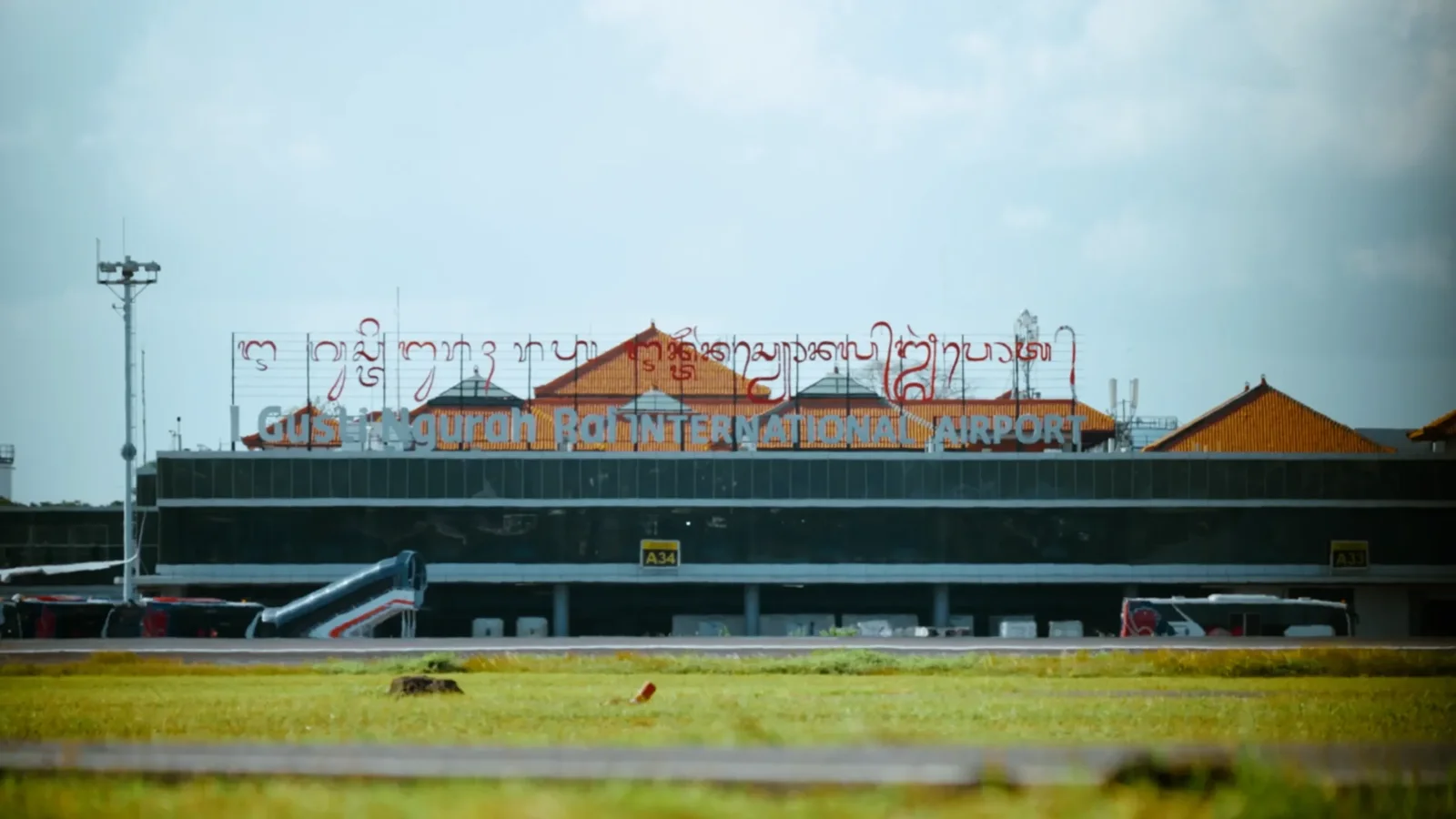
The air that greets you on the jet bridge at Ngurah Rai International Airport (DPS) is a familiar embrace—a warm, humid mix of frangipani, clove cigarettes, and the faint, sweet scent of offerings left at the terminal’s shrines. You are here. The immediate cacophony of airport logistics gives way to a singular, critical question that will define the very rhythm of your time on the island: are you planning a month-long immersion in a Seminyak villa, or are you settling in for a six-month deep dive into the creative currents of Ubud? The answer determines your visa strategy. For the discerning traveler, understanding the nuances between a Bali Visa on Arrival extension and a B211A visa isn’t just about navigating bureaucracy; it’s about designing the framework for a seamless and expansive Indonesian experience. The choice you make in this moment dictates the freedom you will have for the months to come.
Decoding the Bali Visa on Arrival (VoA): The 60-Day Sprint
The Visa on Arrival, or VoA, is the most common entry point for short-term visitors to Indonesia. It is a testament to the country’s welcoming stance on tourism, available to citizens from over 90 countries as of early 2024. Upon landing, you approach the designated counter, pay the requisite fee of IDR 500,000 (approximately $32 USD), and receive a sticker in your passport granting you a 30-day stay. This is the perfect instrument for a classic holiday—enough time to explore the cliffside clubs of Uluwatu, trek Mount Batur for sunrise, and decompress in the tranquil rice paddies of Sidemen. But what happens when 30 days feels insufficient? This is where the extension comes into play.
The VoA can be extended one time for an additional 30 days, bringing your maximum potential stay to a total of 60 days. While this sounds straightforward, the do-it-yourself process can quickly become a significant drain on your valuable vacation time. It typically requires three separate visits to an immigration office (Kantor Imigrasi) in locations like Jimbaran, Denpasar, or Singaraja. The first visit is for submitting your passport and application, the second for photo and fingerprint biometrics, and the third, several days later, for passport collection. Each visit can involve hours of waiting. For the traveler whose time is their most precious asset, dedicating up to 10-12 hours over a two-week period to administrative tasks is a poor investment. This is precisely why a professional VOA Extension Bali — Indonesia Visa Extension Service for Expats exists. We transform this multi-day ordeal into a single, brief handover of your passport, allowing you to spend your time poolside, not in a queue.
The B211A Visa: Your Key to a Longer Indonesian Sojourn
For those whose ambitions in Bali extend beyond a two-month timeframe, the B211A visa is the definitive solution. This is a single-entry visitor visa designed for longer stays and a slightly broader range of activities. While the VoA is strictly for tourism, the B211A can also cover social visits, attending business meetings or seminars, or even certain government duties—though it strictly prohibits earning an income within Indonesia. This visa represents a more significant commitment and requires foresight, as it must be applied for and approved *before* you depart for Indonesia. You cannot arrive on a VoA and convert it to a B211A from within the country.
The B211A’s primary advantage is its duration. It grants an initial stay of 60 days, double that of the VoA. More importantly, it can be extended twice, with each extension adding another 60 days. This creates a potential, uninterrupted stay of 180 days, or nearly six months. This makes it the visa of choice for digital nomads setting up a temporary base in Canggu, wellness enthusiasts undertaking a 3-month yoga teacher training in Ubud, or slow travelers who wish to explore the archipelago’s staggering diversity, from the dragons of Komodo National Park, a UNESCO World Heritage site, to the pristine marine sanctuaries of Raja Ampat. The application process requires an Indonesian sponsor, a role that a reputable visa agency fulfills, handling the submission of all required documentation to the Directorate General of Immigration in Jakarta on your behalf.
Bali Visa on Arrival Extension vs B211A: A Head-to-Head Comparison
Choosing the correct visa is a strategic decision based on your personal travel calculus. Let’s break down the core differences in the Bali Visa on Arrival Extension vs B211A debate to provide absolute clarity. The primary differentiator is, of course, time. The VoA offers a maximum of 60 days (30+30), a respectable period for an in-depth holiday. The B211A, with its 180-day potential (60+60+60), is built for immersion. If your plans involve anything more than two months, the B211A is not just an option; it is a necessity.
The second key difference is the point of application. The VoA is a model of convenience, obtained upon landing at Ngurah Rai for a modest IDR 500,000 fee. Its spontaneity is its strength. The B211A demands planning. The application must be submitted and approved while you are outside of Indonesia, and the cost is significantly higher, often ranging from $250 to $350 USD depending on the processing speed and agent. However, when you calculate the cost-per-day over a 180-day stay, the B211A often represents greater value for the long-term visitor. Finally, consider the scope. The VoA is a pure tourist visa. The B211A’s slightly wider mandate for “social visits” or “business meetings” provides a more flexible, albeit still non-work, framework for those networking or exploring professional opportunities on the island.
The Traveler’s Profile: Which Visa Aligns with Your Itinerary?
To truly understand which visa is right for you, let’s consider a few traveler archetypes we frequently assist. First, meet “The Executive Escapee.” A finance director from London, she has booked a 28-day retreat at a five-star resort in Nusa Dua. Midway through, she realizes she needs another two weeks to properly decompress and explore. For her, the VoA with a professionally managed extension is the perfect tool. She doesn’t have the time or inclination to navigate the immigration office; her priority is maximizing her relaxation. A seamless voa extension bali service is her logical choice.
Next, consider “The Digital Nomad.” A software developer from Austin, he plans to spend the winter—a full four months—working remotely from a co-working space in Pererenan. His stay clearly exceeds the 60-day VoA limit. He must secure a B211A visa weeks before his flight. This requires planning and a reliable agent to act as his sponsor, but it provides the legal foundation for his extended work-cation. Finally, think of “The Archipelago Explorer.” A retired couple from Canada, they want to use Bali as a base for 5 months to explore further afield, with trips to Sumba, Flores, and the Gili Islands. The B211A is their only viable option, providing them the long-term anchor they need for their extensive Indonesian adventure, as detailed by the official tourism board at indonesia.travel.
Navigating the Extension Process: The Insider’s Edge
Regardless of which visa you choose, if you stay beyond the initial period, you will face an extension process. As mentioned, the VoA extension requires three visits to an immigration office. The B211A extensions, while handled by your agent, also require a mandatory biometrics appointment at an immigration office for each of the two 60-day renewals. This means even with a B211A, you will need to visit an official government facility twice during your stay. The value of a premier visa service is not in circumventing these legal requirements, but in managing them with maximum efficiency and minimal disruption to you.
When you engage a service like ours, the process is refined. We handle all paperwork, submissions, and collections. We schedule your biometrics appointment at a time that suits you and often at less-crowded immigration offices. We provide clear instructions and, in many cases, transportation. This transforms a potentially stressful and time-consuming bureaucratic task into a simple, scheduled appointment. Your time is the ultimate luxury, and our service is designed to protect it. Whether you are managing a single VoA renewal or two B211A extensions, a professional partner ensures your focus remains on the vibrant culture and serene landscapes of Bali, not on paperwork and queues. This is where a professional **voa extension bali** service becomes not a luxury, but a necessity for the discerning traveler.
Quick FAQ: Your Bali Visa Questions, Answered
Can I perform any kind of work in Bali on a VoA or B211A visa?
Absolutely not. Both visas are strictly for visitor purposes. Earning income from an Indonesian entity, or performing work that could be done by a local resident, is illegal and can lead to severe penalties, including deportation and being blacklisted. Remote work for a foreign company is a widely accepted grey area, but direct employment within Indonesia is forbidden.
What are the penalties for overstaying my visa in Indonesia?
The Indonesian government is very strict about visa overstays. The current penalty is IDR 1,000,000 (approximately $65 USD) per day of overstay. For short overstays, you pay the fine at the airport upon departure. For longer overstays (exceeding 60 days), you risk detention, deportation, and a ban from re-entering Indonesia for a significant period. It is a situation to be avoided at all costs.
Why do I need a sponsor for the B211A visa?
The B211A visa application requires a formal Indonesian sponsor—either an individual or a company—to act as a guarantor for your stay. This is a non-negotiable requirement from Indonesian Immigration. A licensed and reputable visa agency, such as VOA Extension Bali, is registered to perform this function, simplifying the process immensely for foreign applicants.
Can I apply for a B211A visa if I am already in Bali on a VoA?
No. This is a critical point that many travelers misunderstand. You cannot convert from one visa type to another from within Indonesia. The B211A visa must be applied for while you are physically outside of the country. If you are in Bali on a VoA and decide you want to stay longer than 60 days, you must leave Indonesia (a “visa run” to a nearby country like Singapore or Malaysia) and apply for the B211A from there.
Ultimately, the choice between a Visa on Arrival extension and a B211A is a simple function of your intended timeline. For luxurious, immersive trips of up to two months, the VoA provides flexibility and ease of entry. For any stay longer than that, the B211A is the essential, pre-planned key to unlocking a deeper, more profound Bali experience. Whichever path you choose, do not let the management of your visa detract from the magic of your journey. The island’s true luxury is the freedom to explore, to discover, and to simply be present.
For a seamless, white-glove experience managing your visa, explore our **voa extension bali** services. Our expert team is dedicated to handling the complexities of Indonesian immigration so you can focus on what truly matters: your invaluable time on the Island of the Gods. Contact our specialists today to ensure your travel plans are as effortless as a Balinese sunset.
Ready When You Are
Talk To A Bali Visa Specialist Today
Reply within 2 hours, every day of the week. Tell us your nationality, current visa and what you need next — we do the rest.